We offer emergency accommodation.
Non-mixed accommodation:
No
Details of my hospitality project:
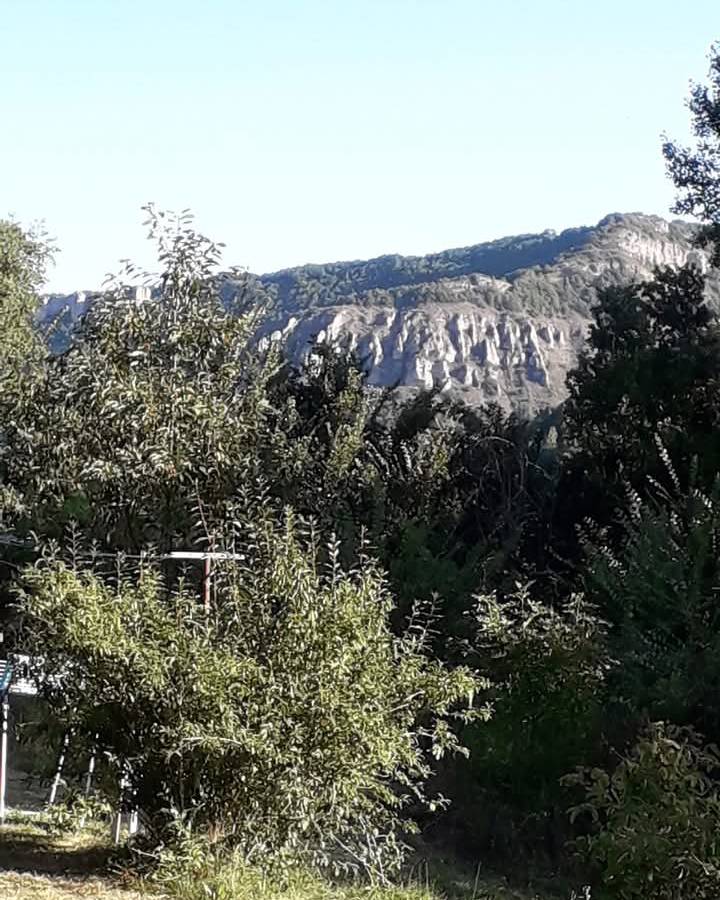
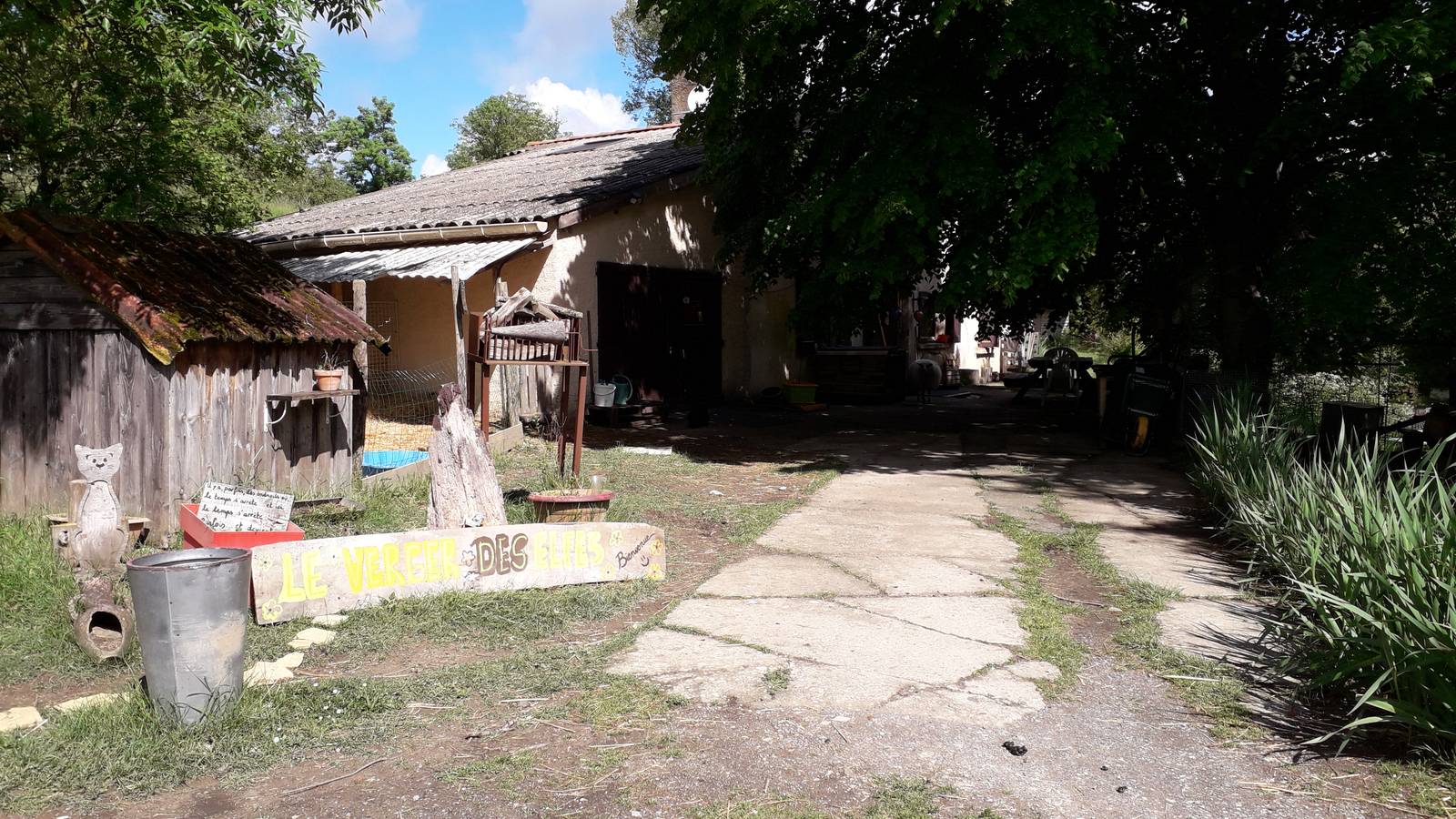
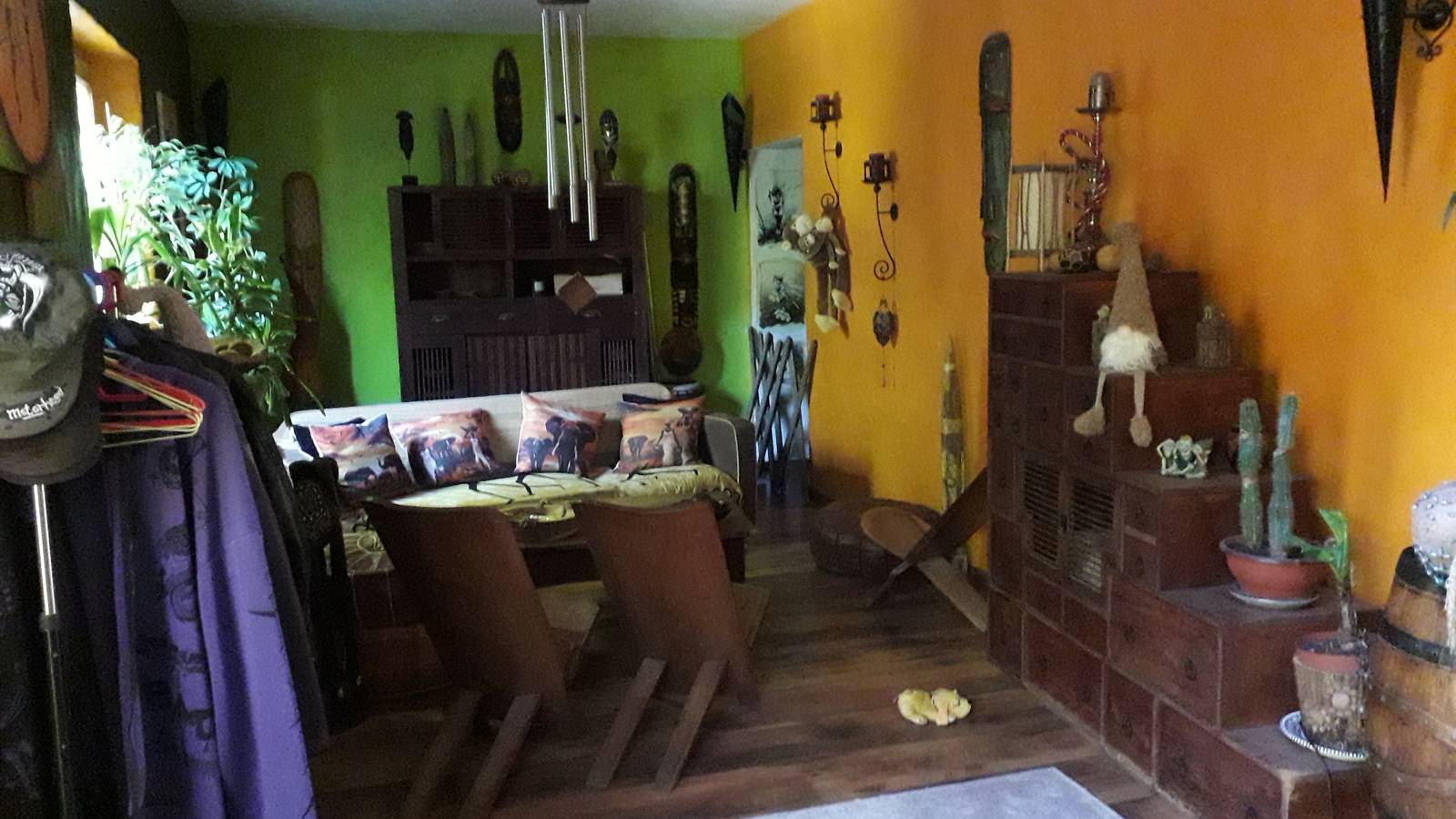
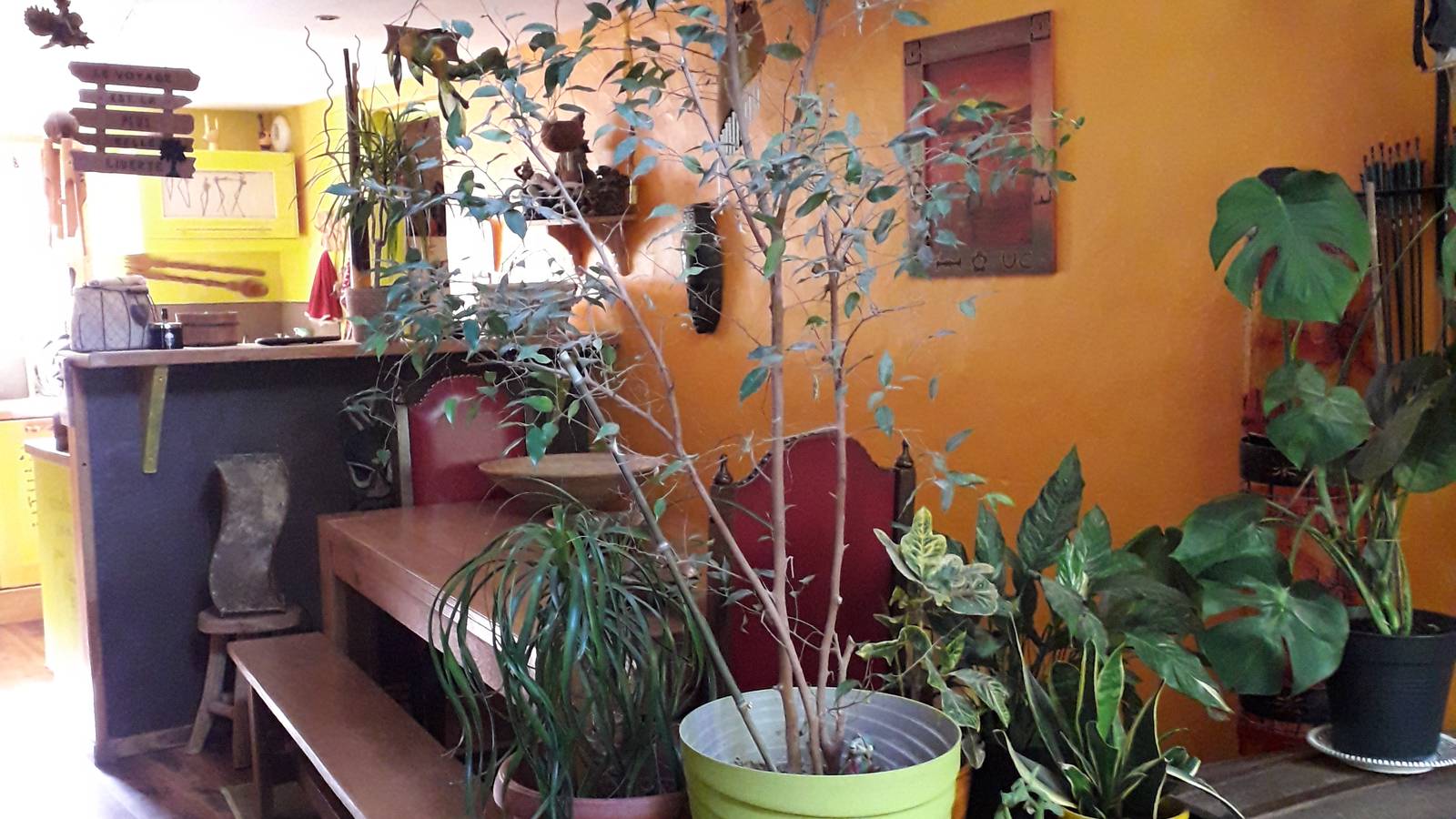
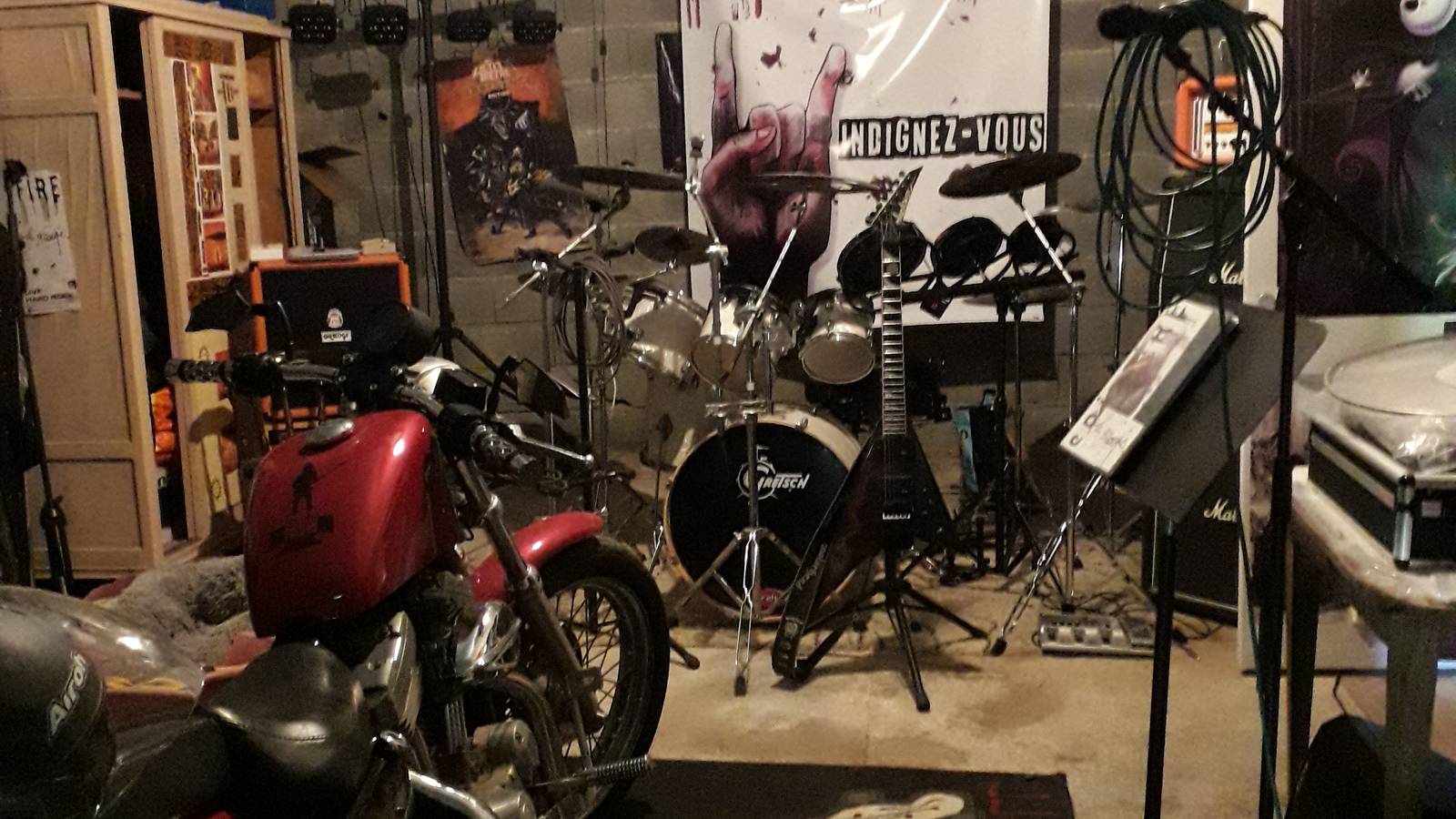
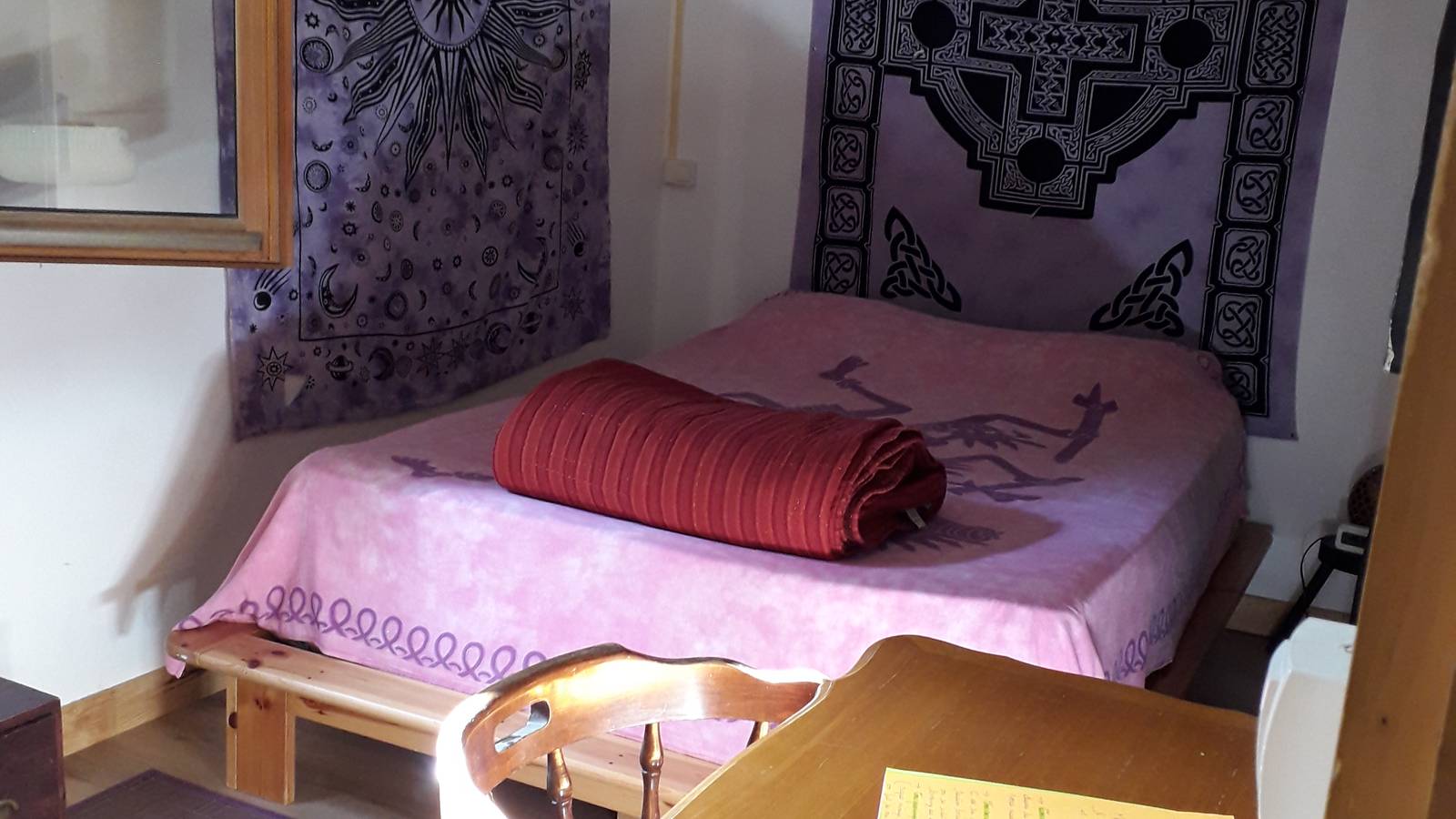
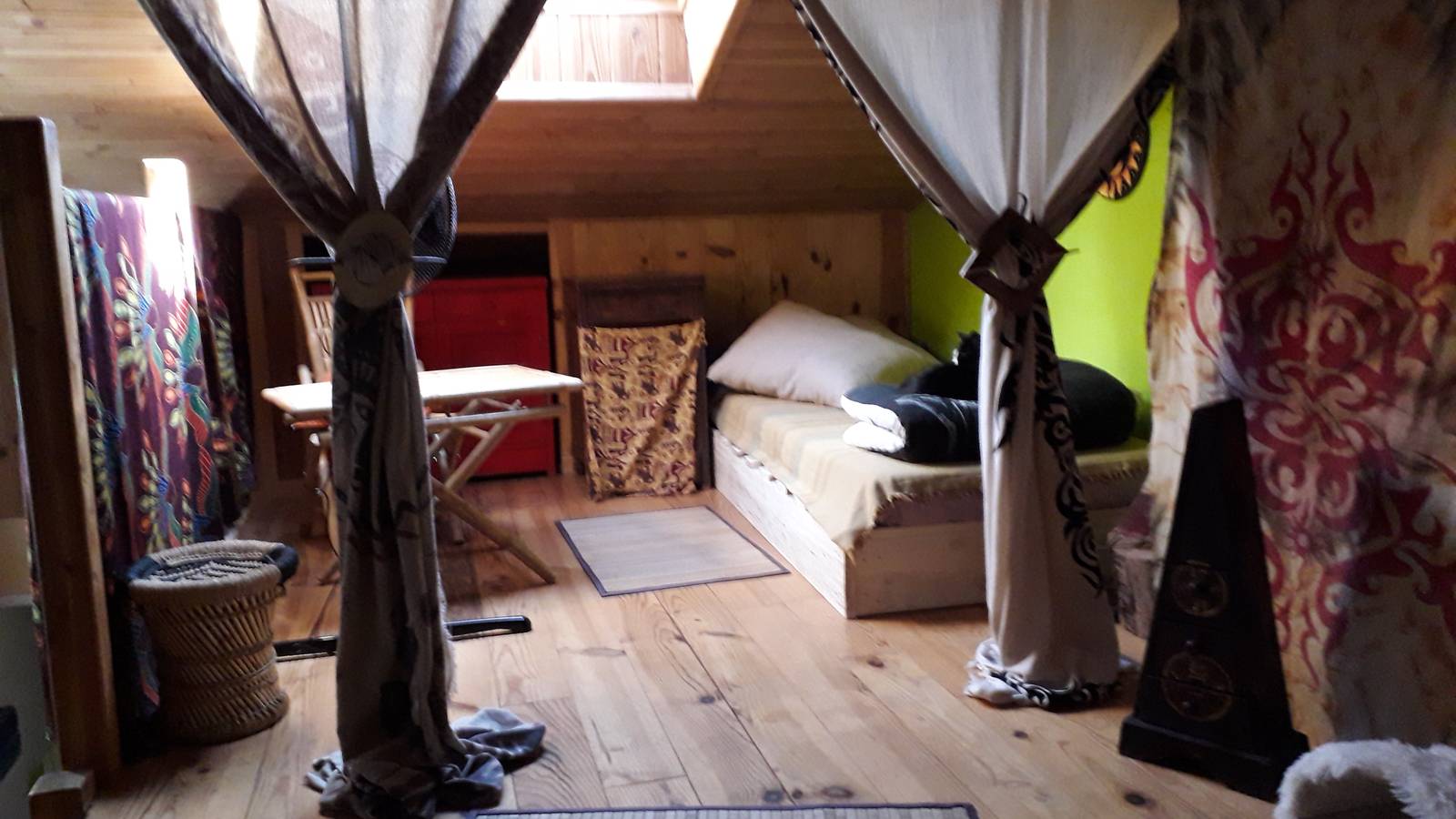
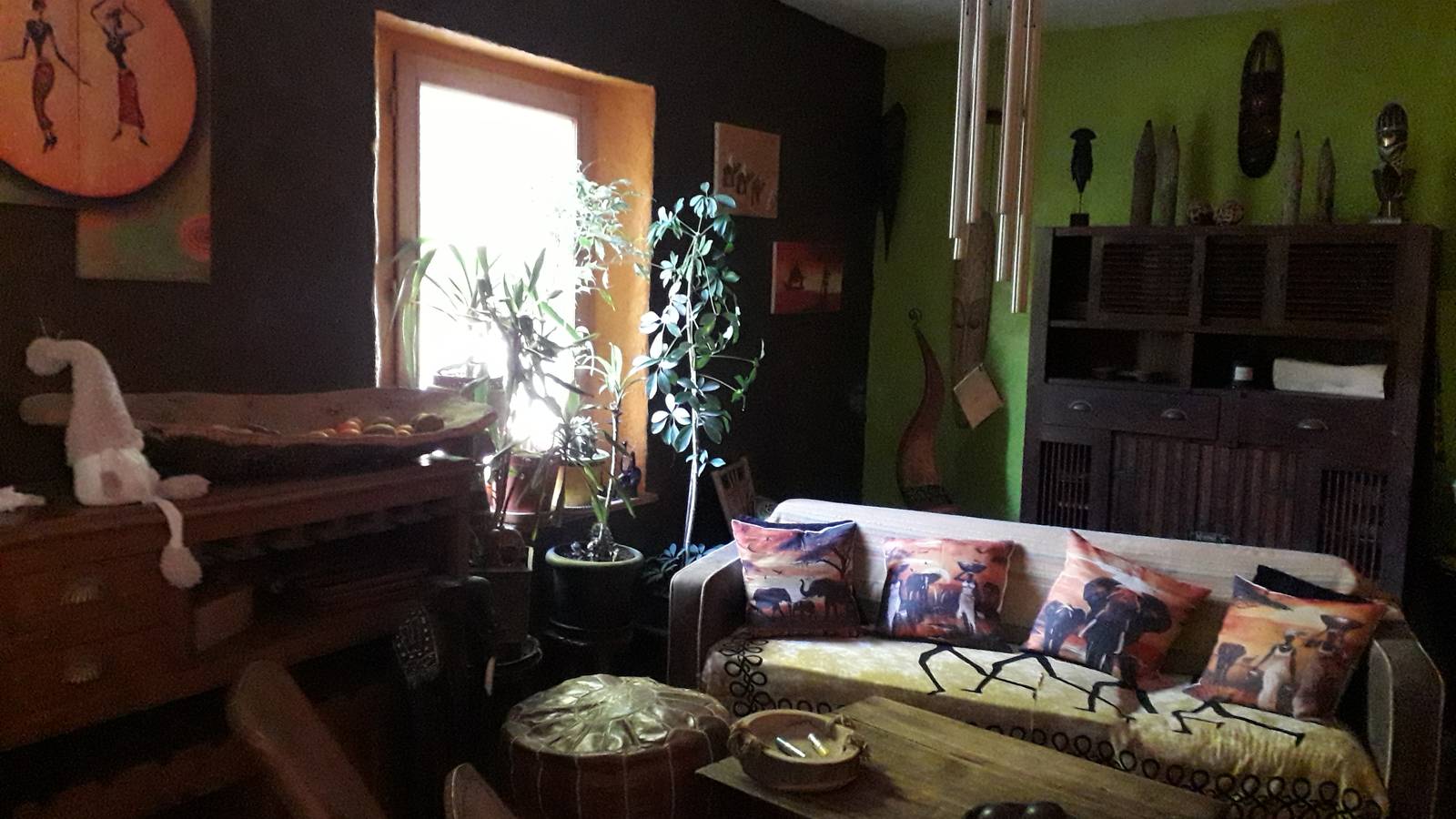
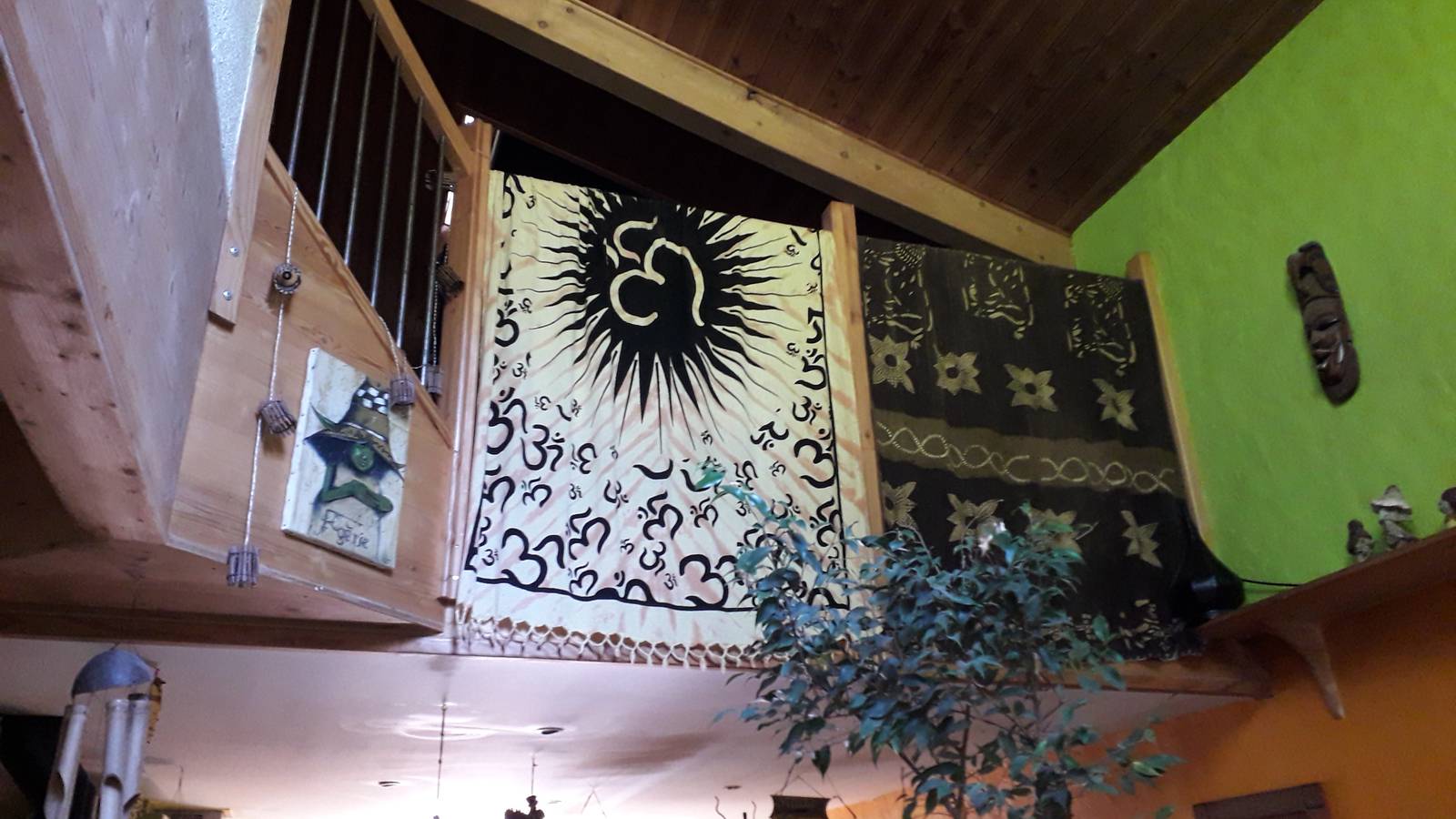
Our “home,” a rural guesthouse, is called “Le Verger des Elfes” and is located in southern Aveyron, just outside a small village of about 420 residents called Tournemire (12250). Le Verger des Elfes is located about 2 km from the village center, where you’ll find a grocery store, a bakery, a restaurant, and two schools. We’re surrounded by vast valleys, the Cirque du Brias—a natural area with breathtaking panoramic views—and the untamed wilderness of the Larzac, a UNESCO World Heritage Site.
My partner and I moved here in June 2021, and we have gradually built our vision of life through the vastness and open spaces that nature offers us here, amidst 11 hectares of land where animals roam freely or are kept in large enclosures.
At Verger des Elfes, the support we offer to our guests will be centered on nature, respect for the environment and for “others,” raising awareness, and above all, sharing “life” with the animals that live here.
We harvest hay, tend two vegetable gardens, and grow fruit trees. We are fairly self-sufficient, and a natural spring supplies water to our home. We collect rainwater to water the animals, the gardens, and the fruit trees. In the winter, we heat our home exclusively with wood.
As for waste management, we use recycling bins and apply compost and animal manure to the garden.
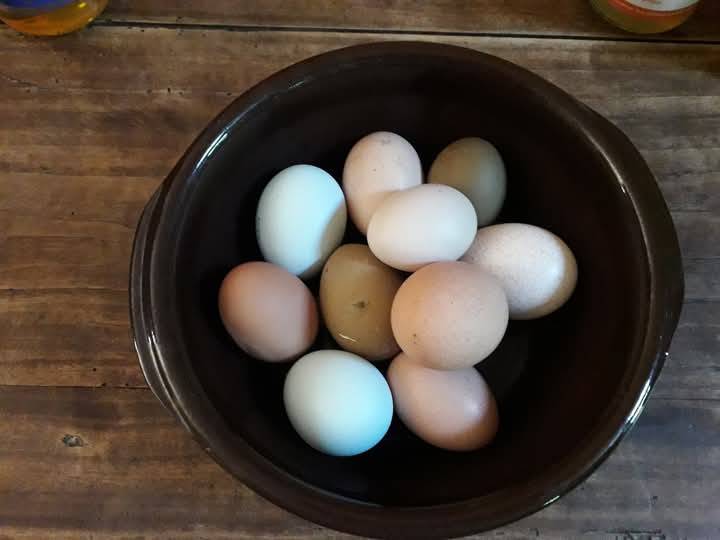
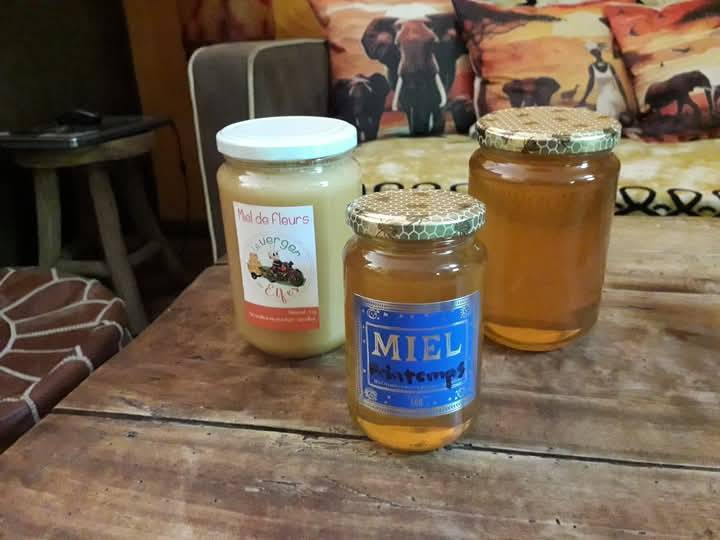
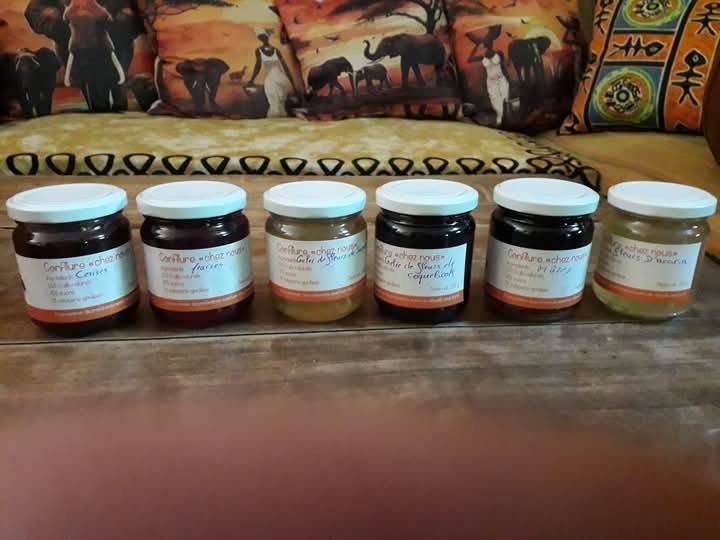
In addition to our respective jobs, we make “homemade” jams from the fruit trees in the orchard. Eric, my partner, is also a beekeeper, and we harvest honey from our bees as well as vegetables from the garden, and we sell eggs from our chickens!
We prioritize “homemade” food. We make the most of seasonal fruits and vegetables and local meat or meat from farms where animals are treated with care and raised in the great outdoors. We do not consume any living creatures that we raise, either by choice or because of the affection we have for them. We encourage awareness of eating habits so that we can be eco-responsible and as respectful as possible toward nature and all living things.
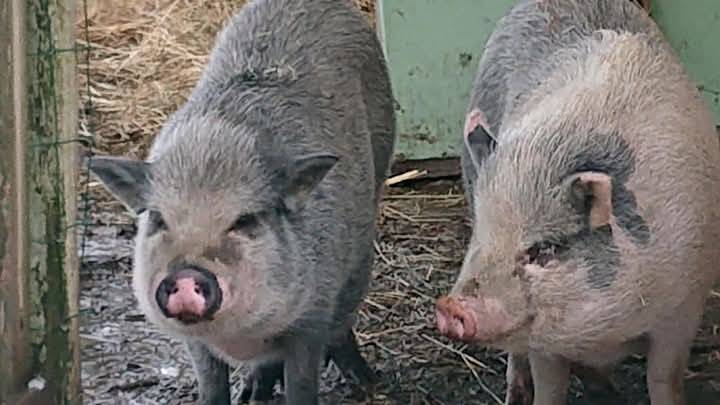
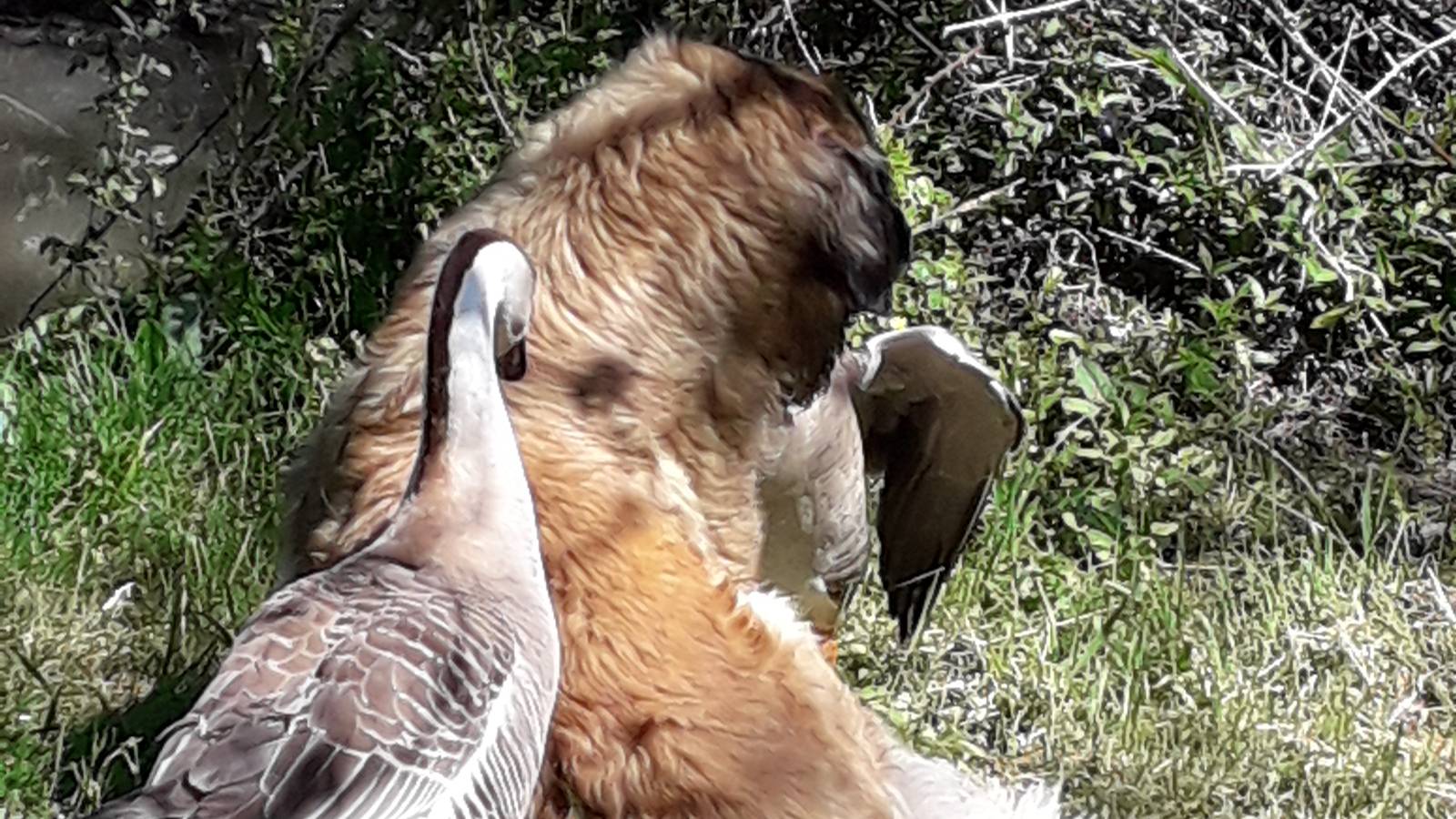
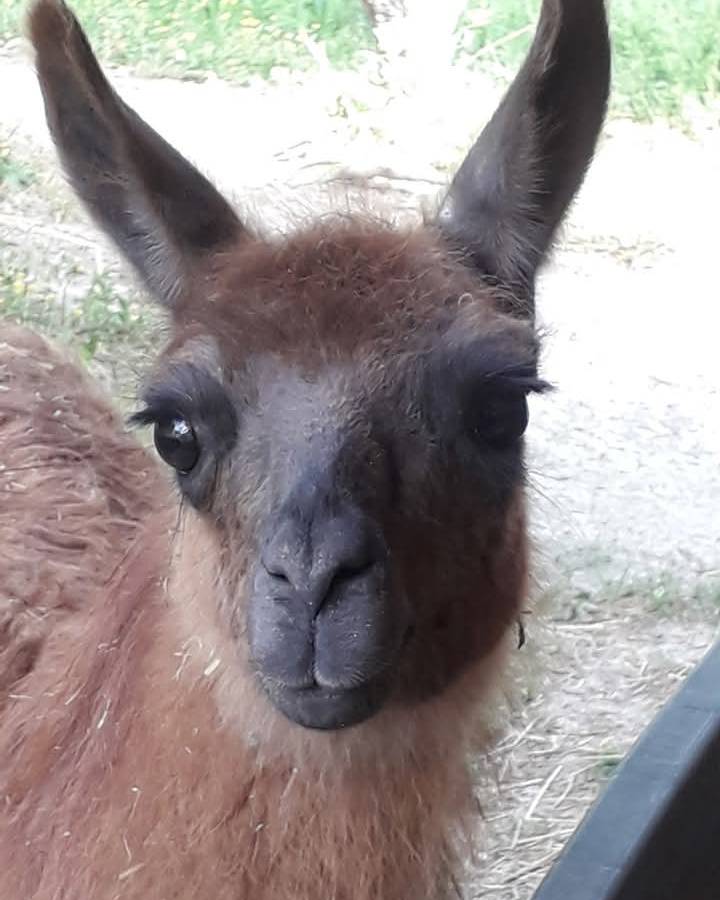
But the authenticity of the Verger des Elfes rests on all our companions who are an integral part of our daily lives and who arrived at the Verger either at the same time as us or as we gradually settled in. They are:
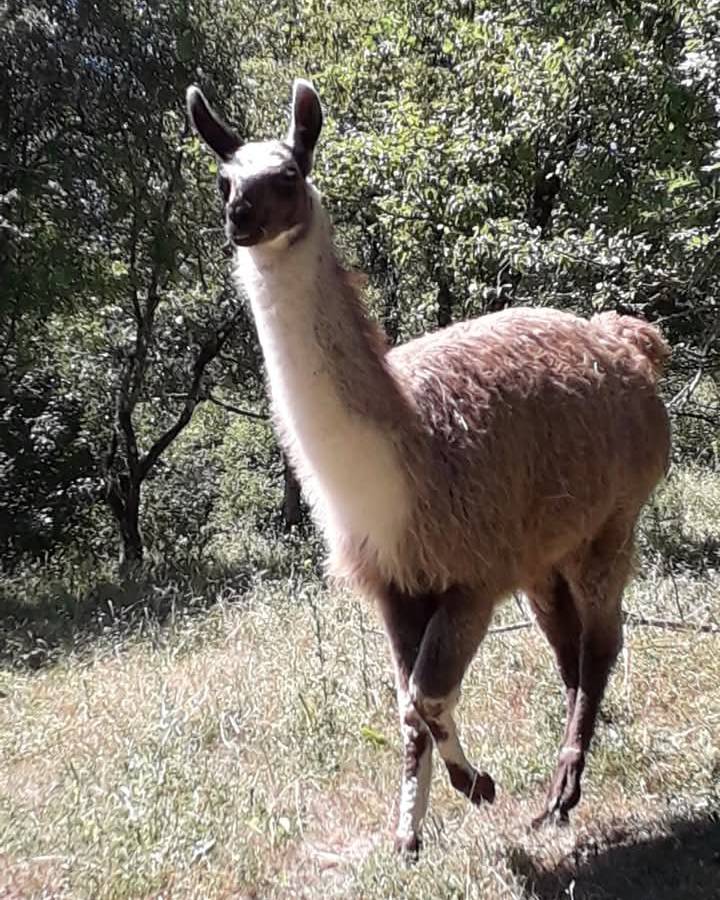
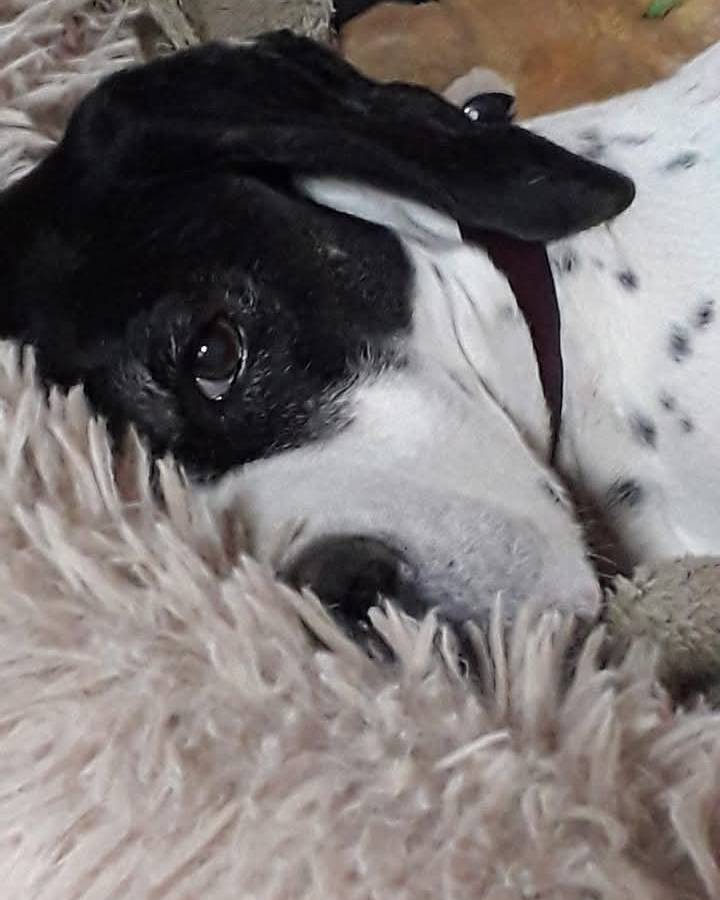
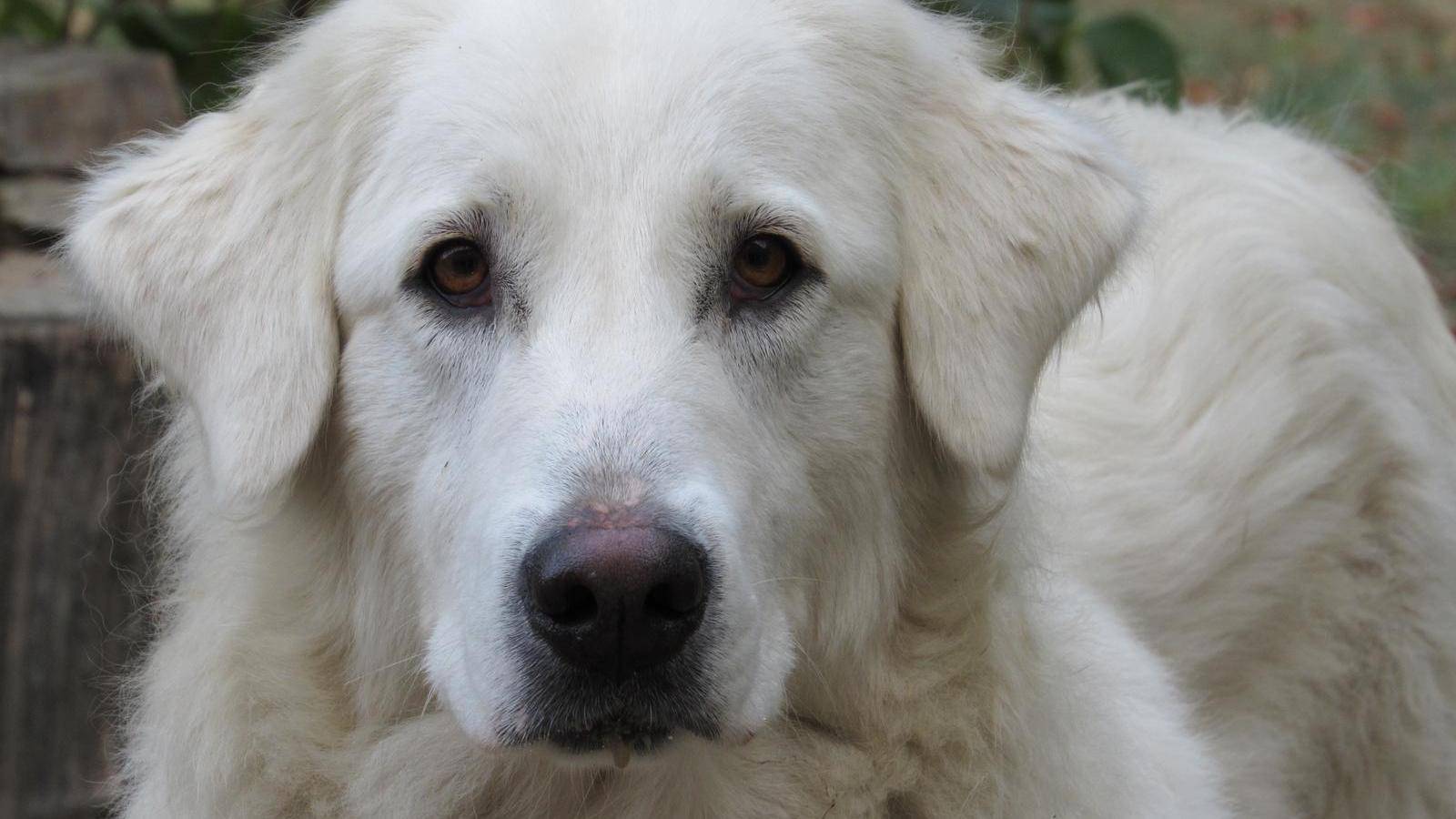
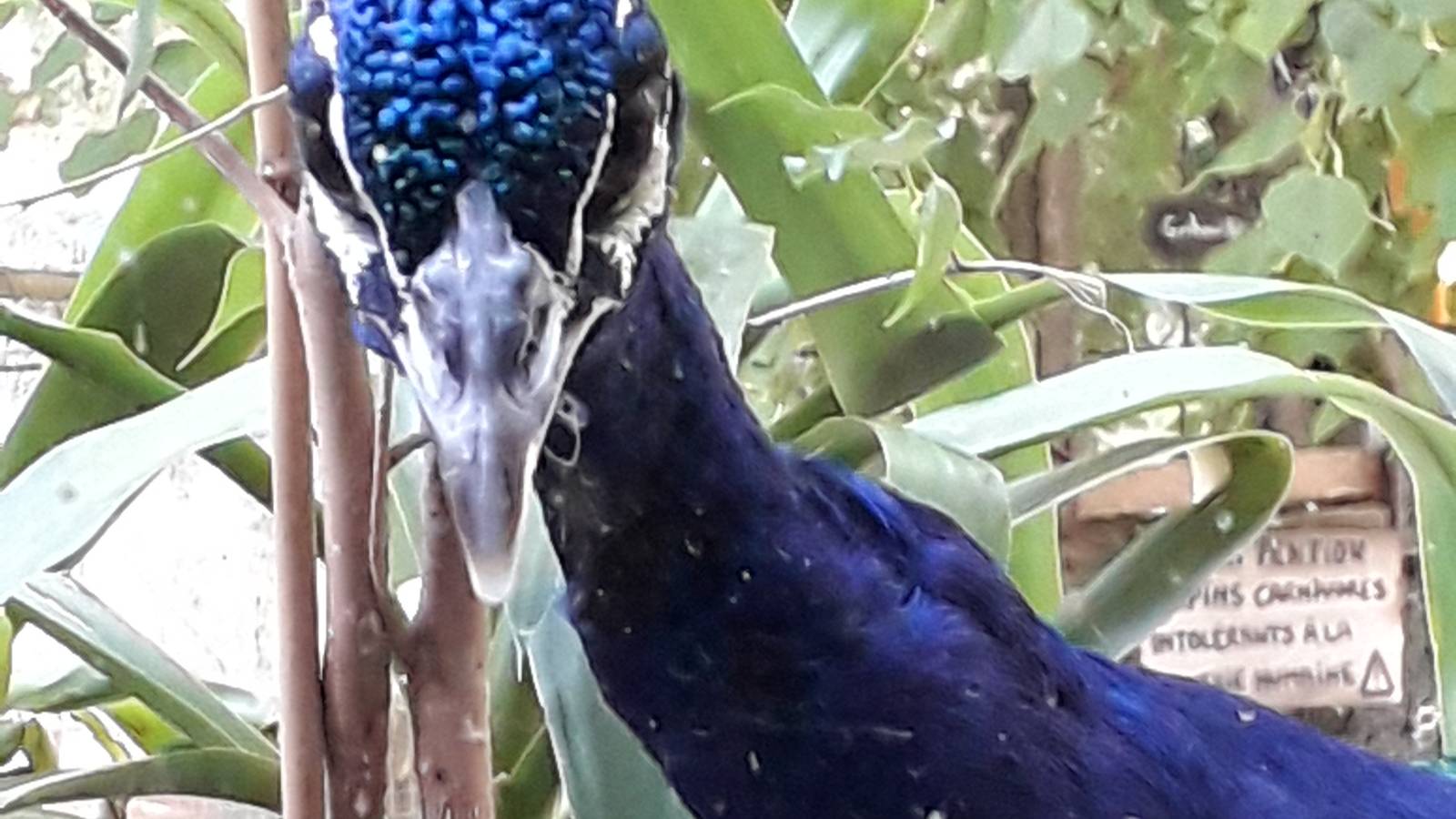
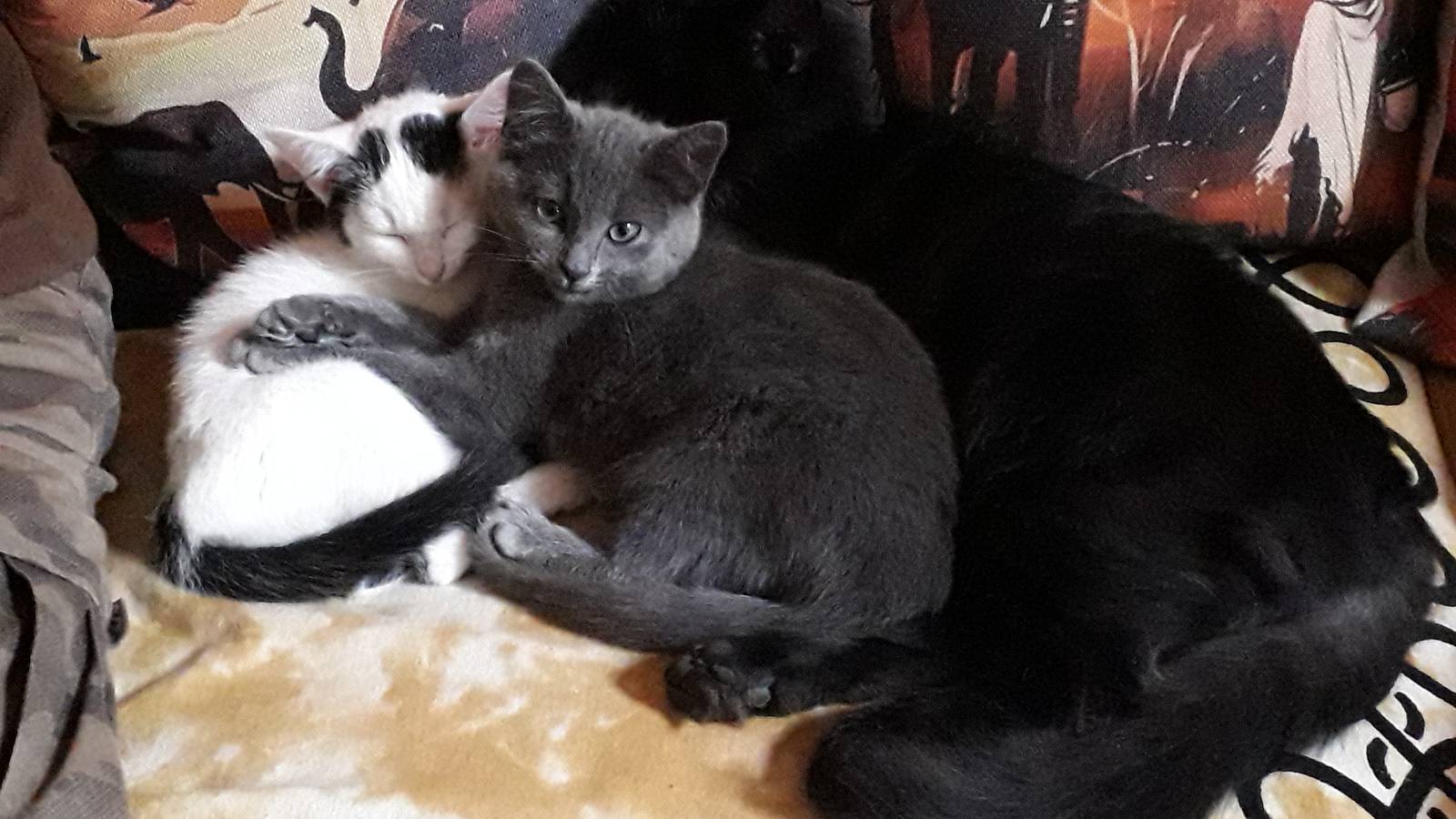
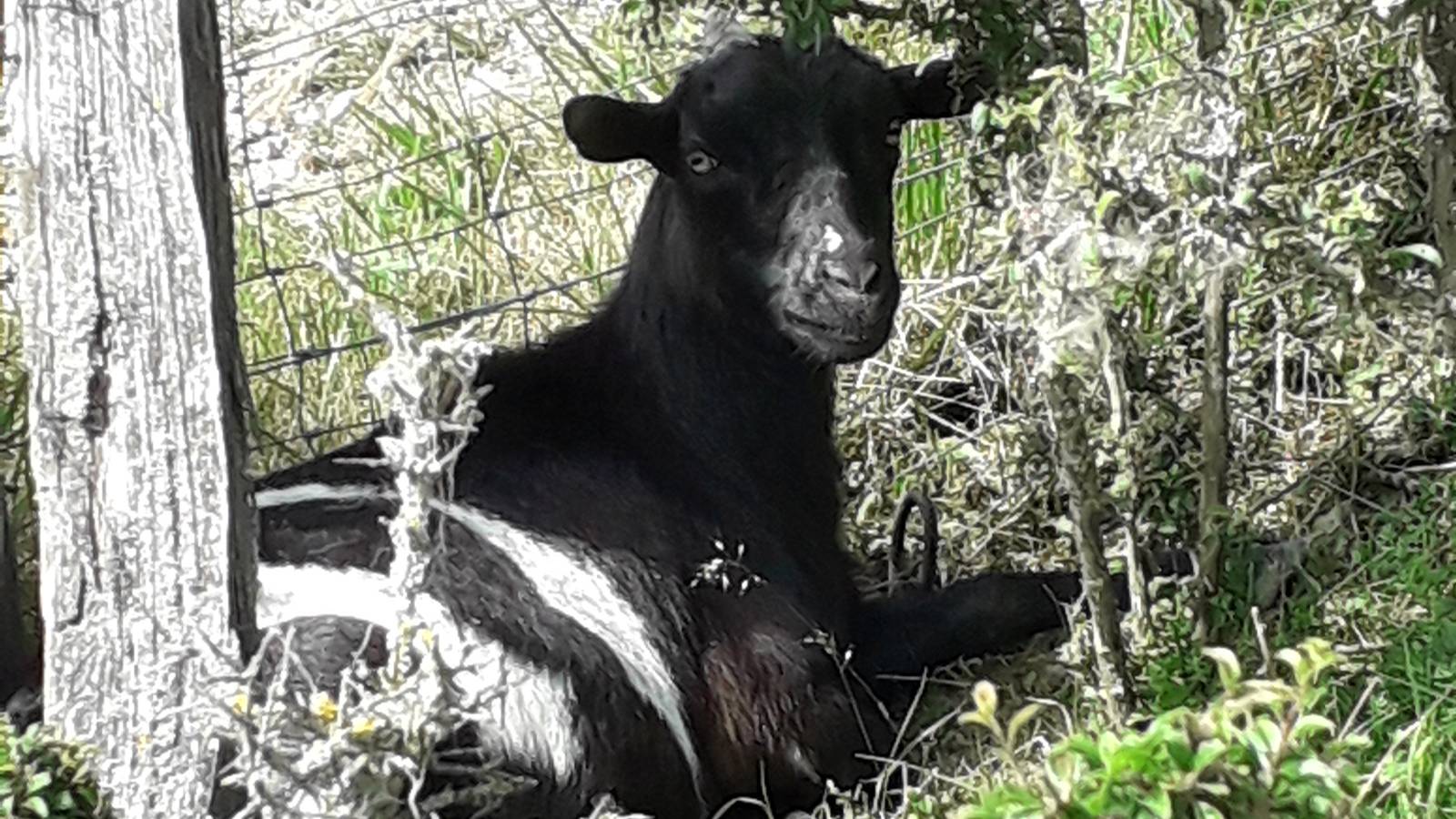
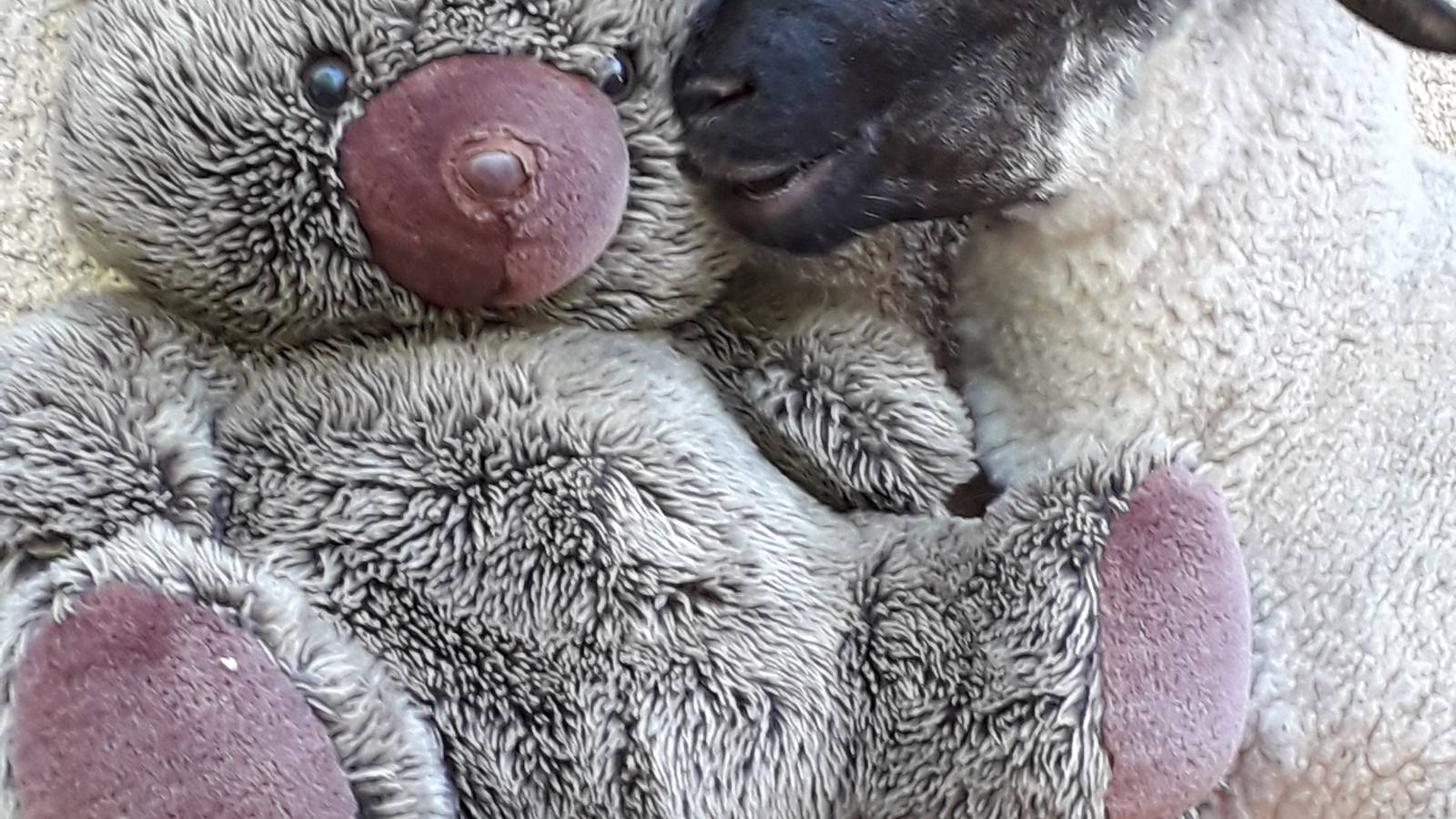
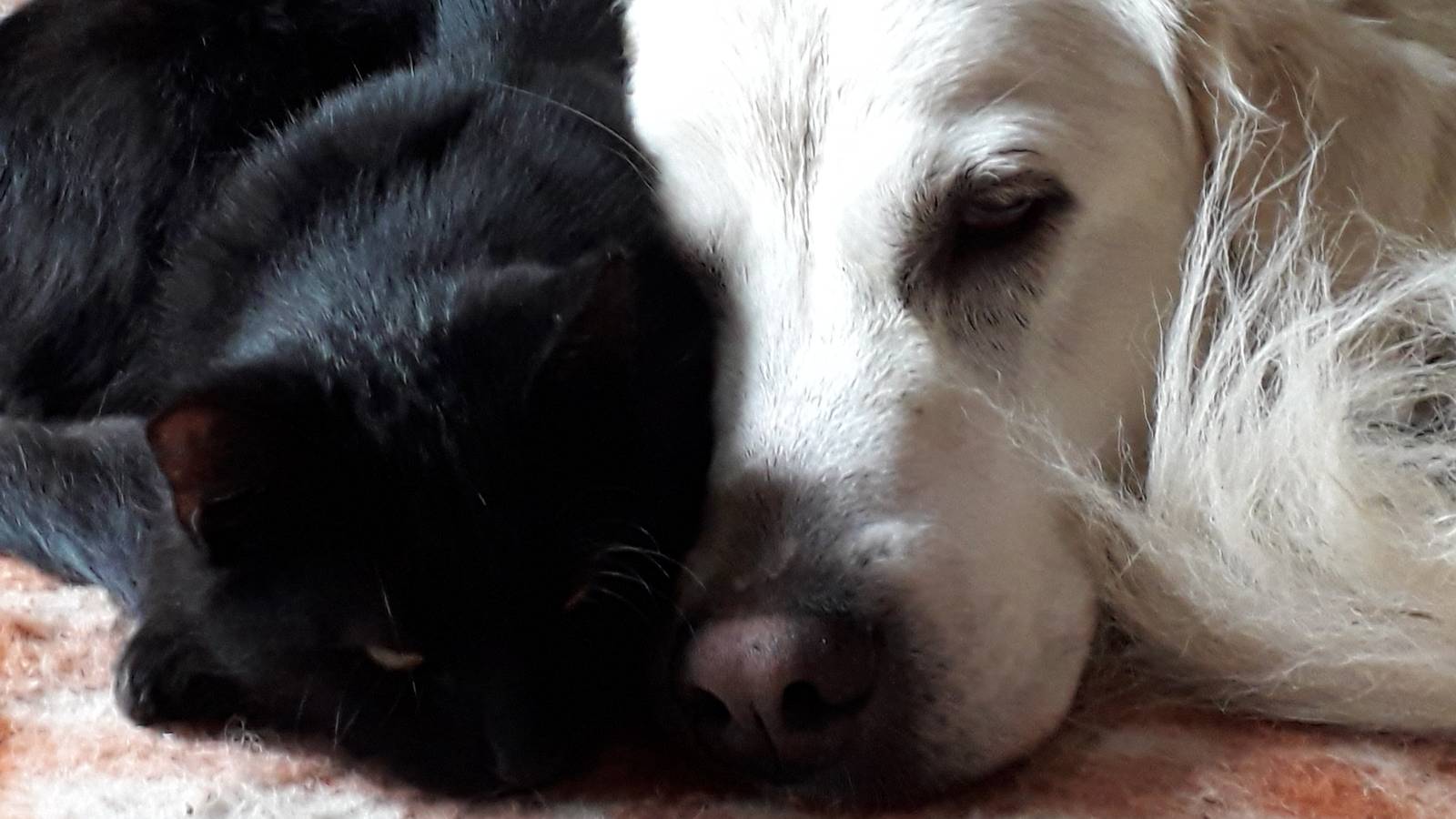
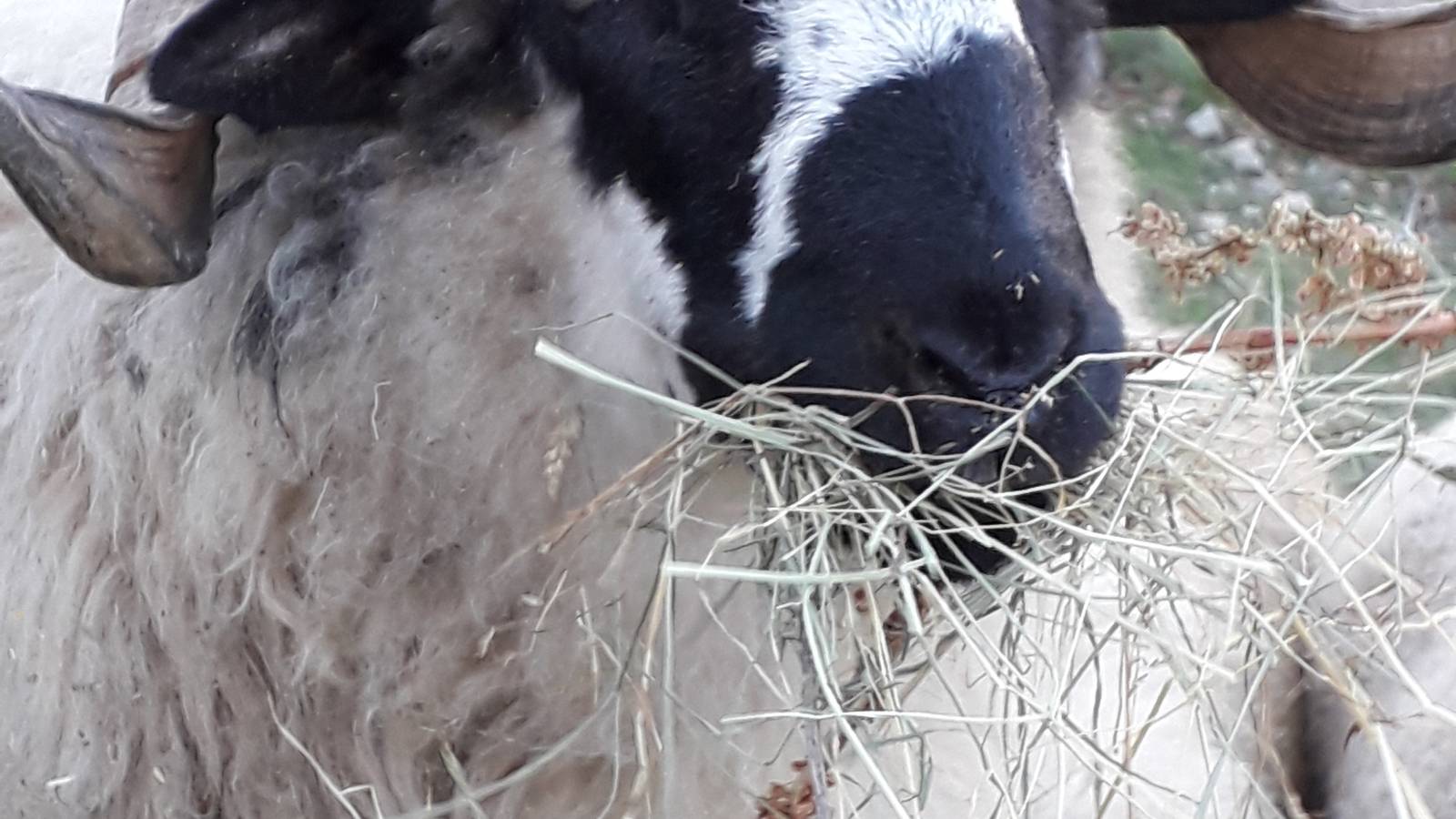
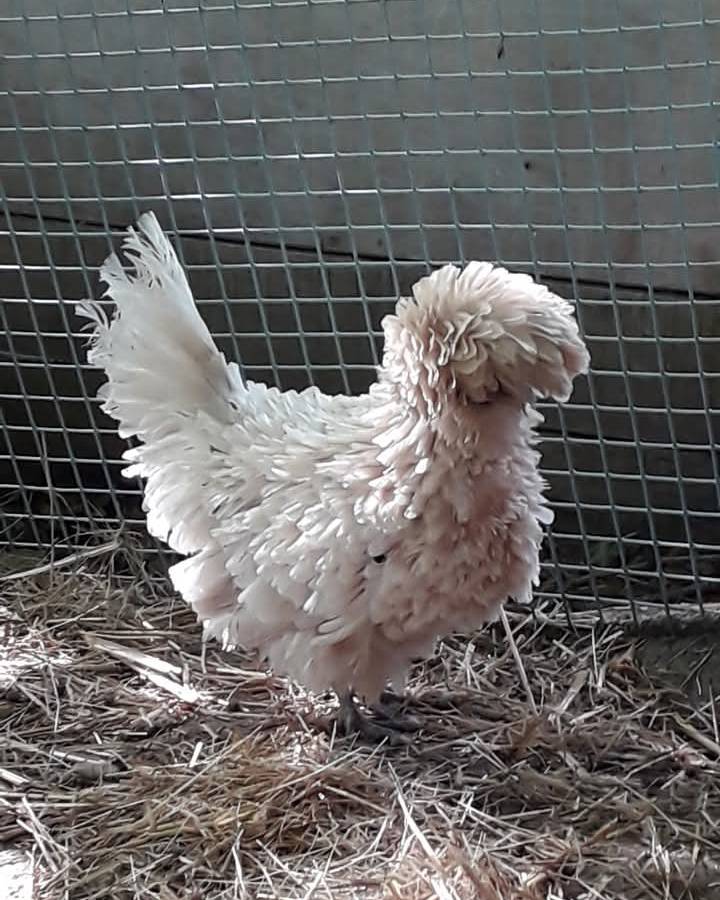
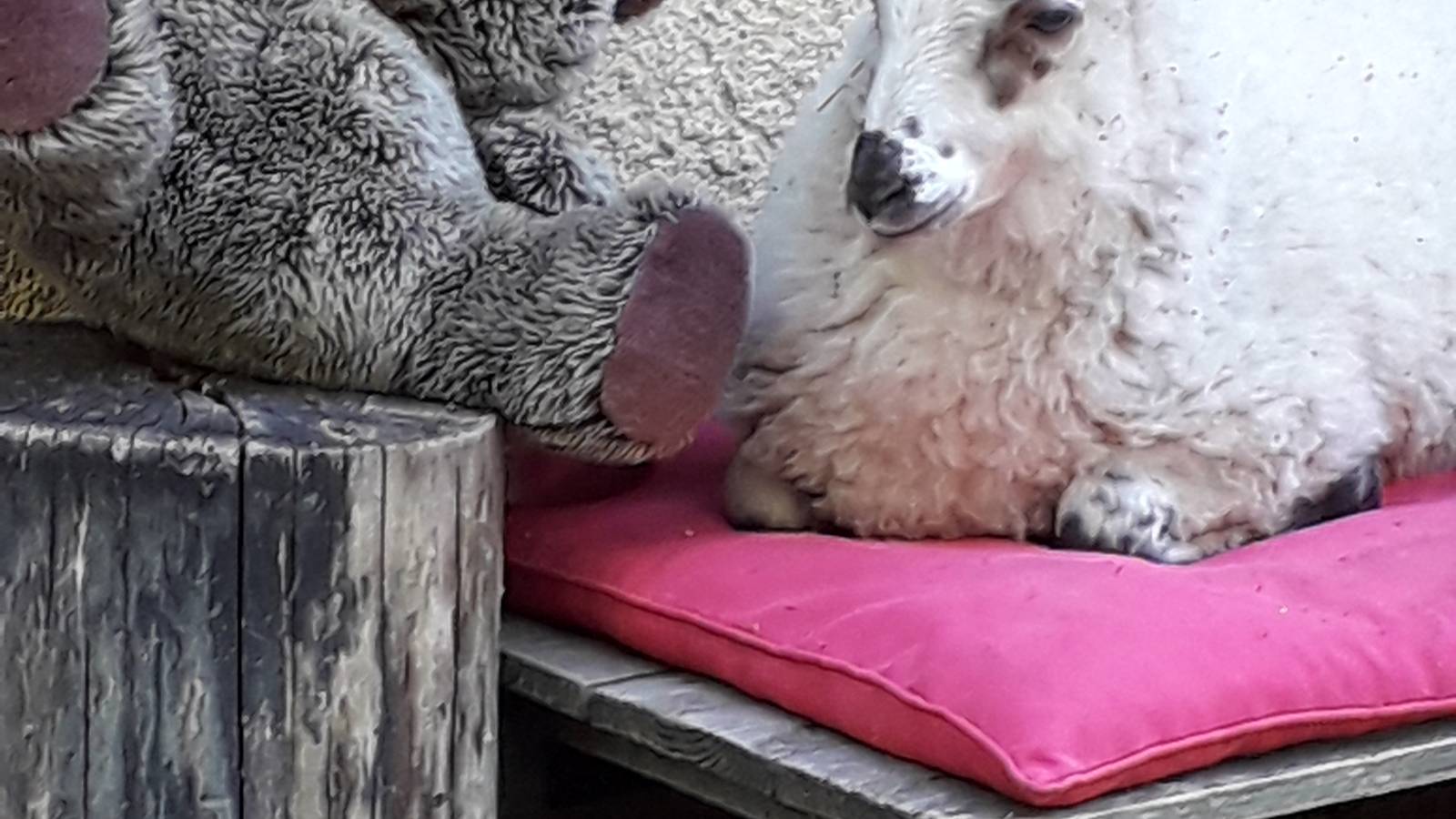
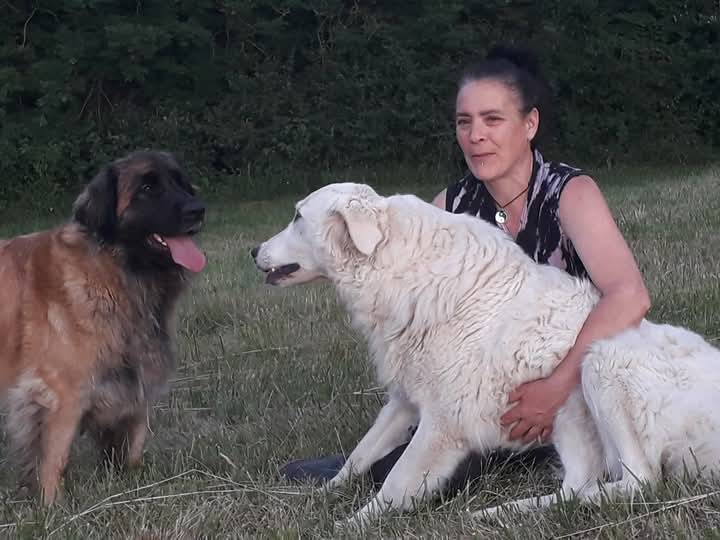
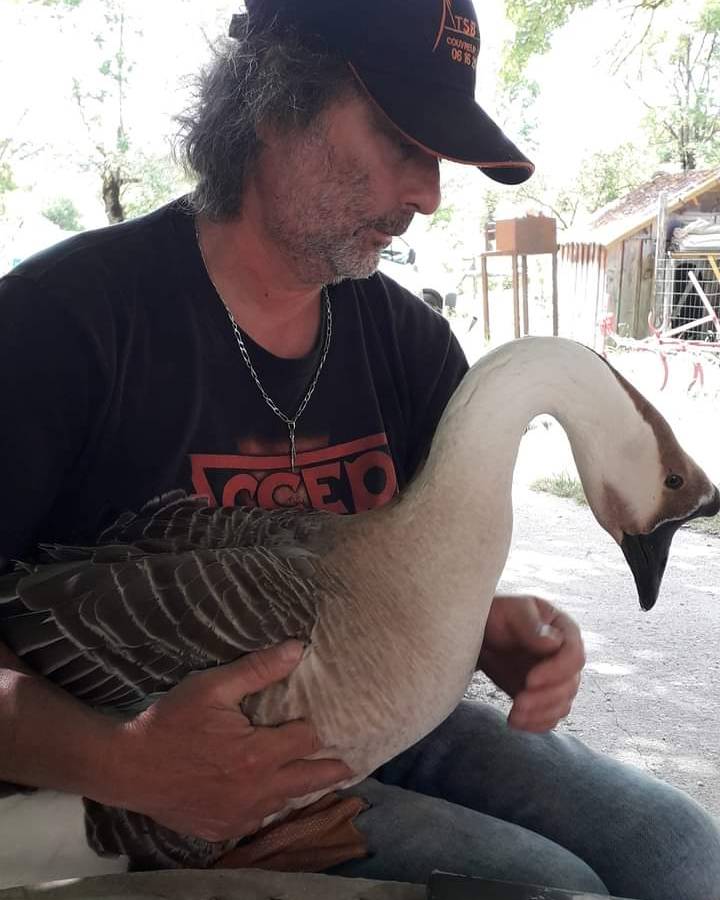
2 llamas, 9 sheep—including two bottle-fed lambs that live with the dogs—2 goats, 2 miniature pigs, 3 dogs, 5 cats, 4 rabbits, laying hens and ornamental chickens, peacocks, turkeys, guinea fowl, quail, 1 tame rooster, and 2 geese.
It’s a life shared among us, the animals, and—as we hope—with the future children and teenagers who will be entrusted to our care for a set period of time.
The other focus of our work would center on caring for others, trust and self-esteem, tolerance, patience, and of course, “taking the time to live”—to observe, to rest, and sometimes even to be bored! Making room for curiosity and letting go
I would guide them toward independence, responsible actions, and sharing. And I would support this child or teenager in their daily life; I would share with him or her this essential aspect: living with… doing with… and being alongside…
Encouraging and guiding them to move from “merely existing” to truly “living”—being present and providing a sense of security. Engaging with our surroundings in an empathetic, responsible, and respectful way, by listening attentively and building a relationship of trust.
What makes Le Verger unique is the bond we’ll forge during this “breather”—this “breath of fresh air”—between the guest, the host, and, of course, the animals (through care, walks, petting, cleaning the pens, feeding, observation, etc.)
The garden (planting, watering, watching things grow, harvesting), picking seasonal fruits and making jams, learning about the lives of bees, and harvesting honey will be an added bonus and an opportunity to share knowledge and learn together.
All activities will be tailored to the guest’s age, situation, profile, preferences, and needs
However, at Au Verger, there is daily morning and evening care for the animals. This remains a daily ritual.
For the rest of the day, activities will be offered depending on the season, and there will be various free or paid activities, such as:
-Bike rides, short hikes, mushroom picking, trips to the pool, the movies, restaurants, or friends’ homes; attending a concert or a lively evening event in the surrounding villages; and participating in bingo games.
-Activities related to nature and the countryside (bike-and-train tours, visits to medieval towns, wildlife parks, tree-top adventure courses, swimming in rivers and lakes, sledding in winter, Les Canalettes [a natural site in the Larzac region], ATV rides...)
-Gaming activities for video game fans at “Zone 360”
-Craft activities (for example: making wooden objects)
-Fun activities (board games)
-Visual arts activities (painting, coloring, drawing, etc.)
-Why not a day of shopping in a big city!
And then, depending on the season, there will be picking fruit from the orchard, bottling honey, pruning trees, planting seeds in the garden, making jam, shearing sheep, etc....
 Donate to Accueil Paysan
 Via HelloAsso)