Our welcome
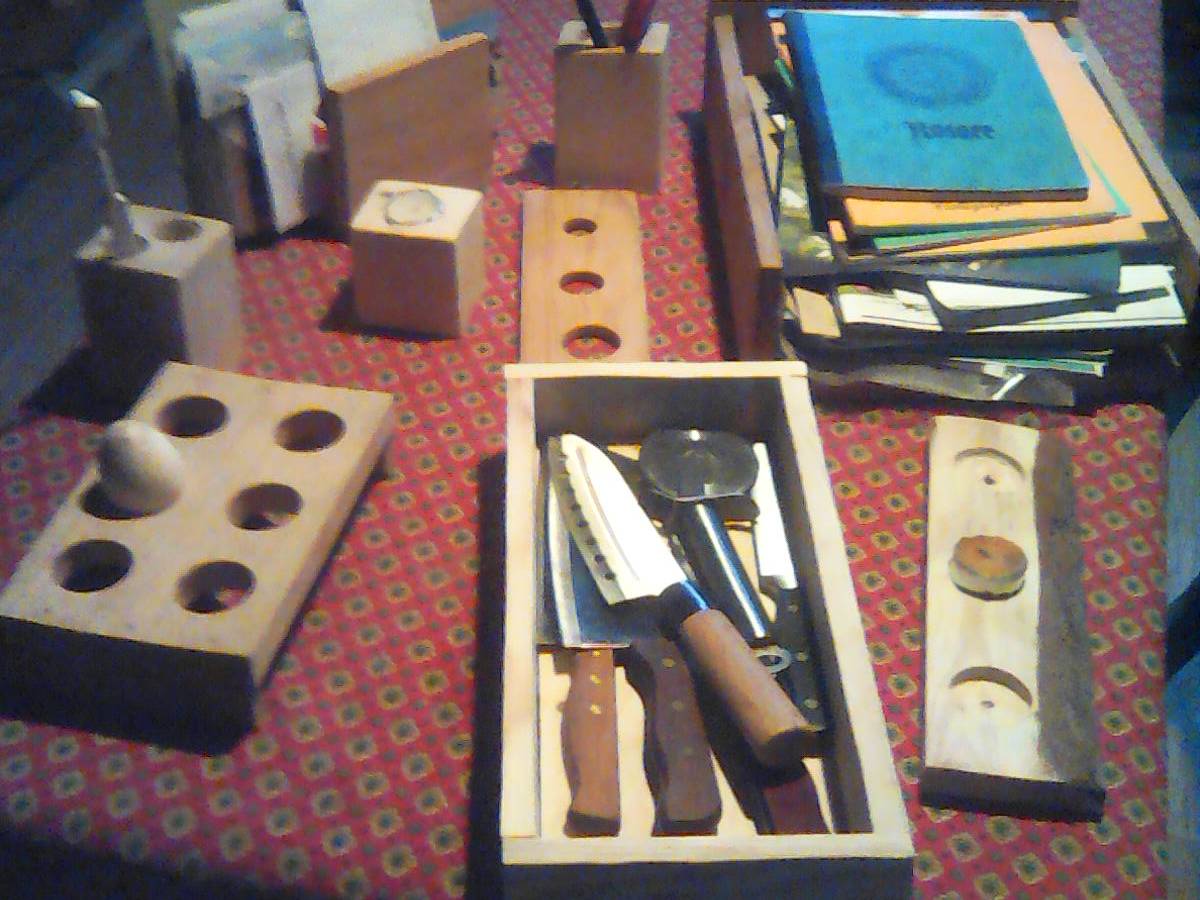
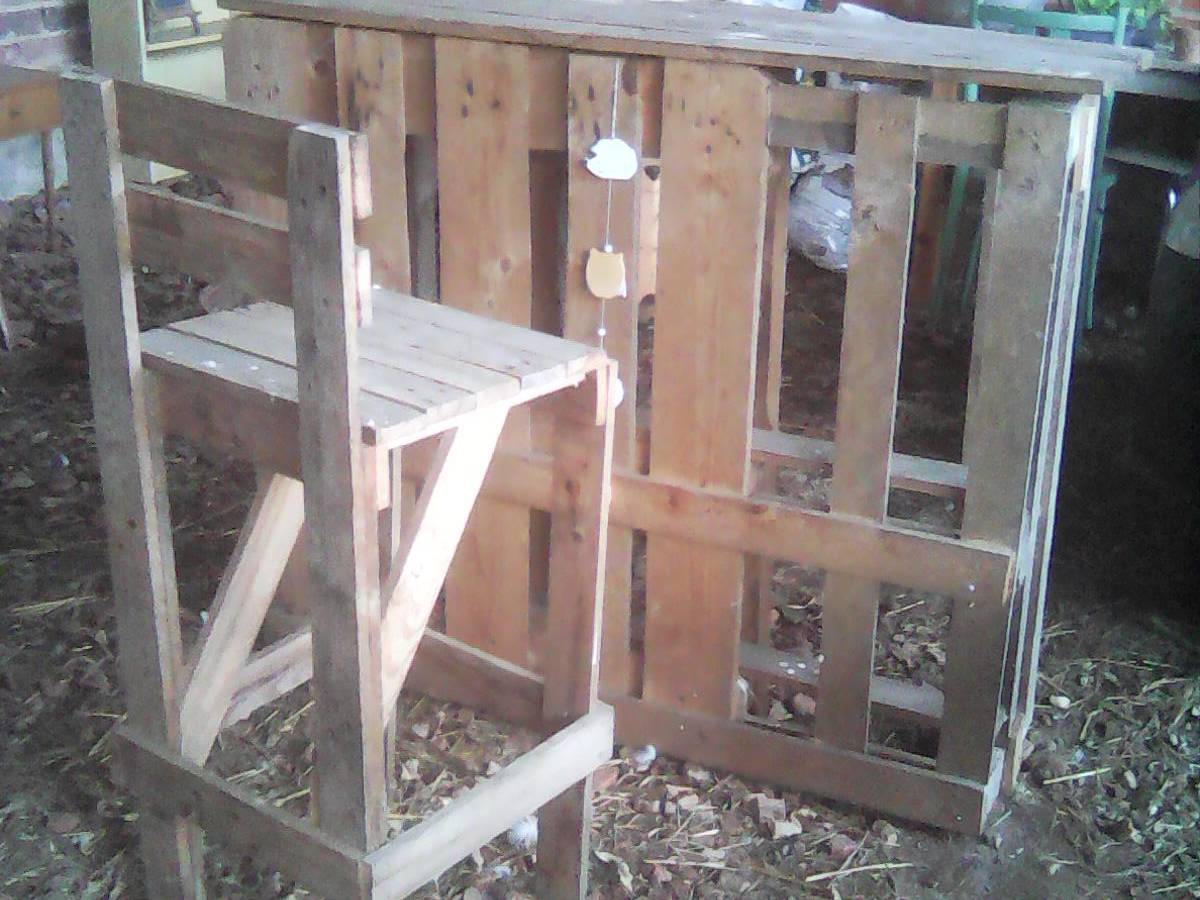
Individuals (minors or adults on a temporary basis for relay, respite, half-day, full-day or several days with or without accommodation), or groups (half-day, full day or several days with or without accommodation in this case with "supervisors") with proposed activities around the orchard, garden, bees, self-production (cleaning products etc. ..), the manufacture of utilitarian objects or not from pallets, animals (animal mediation).
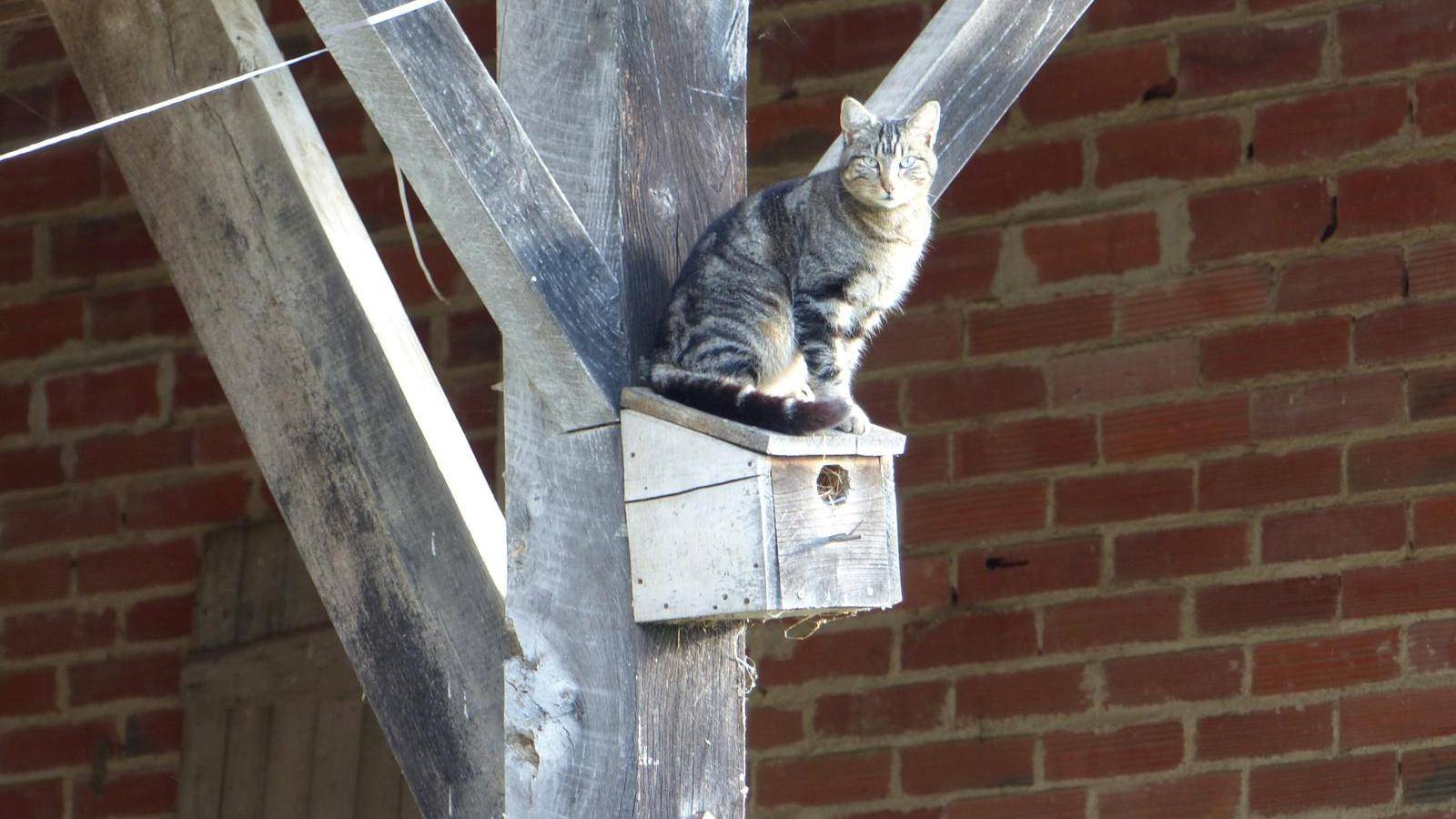
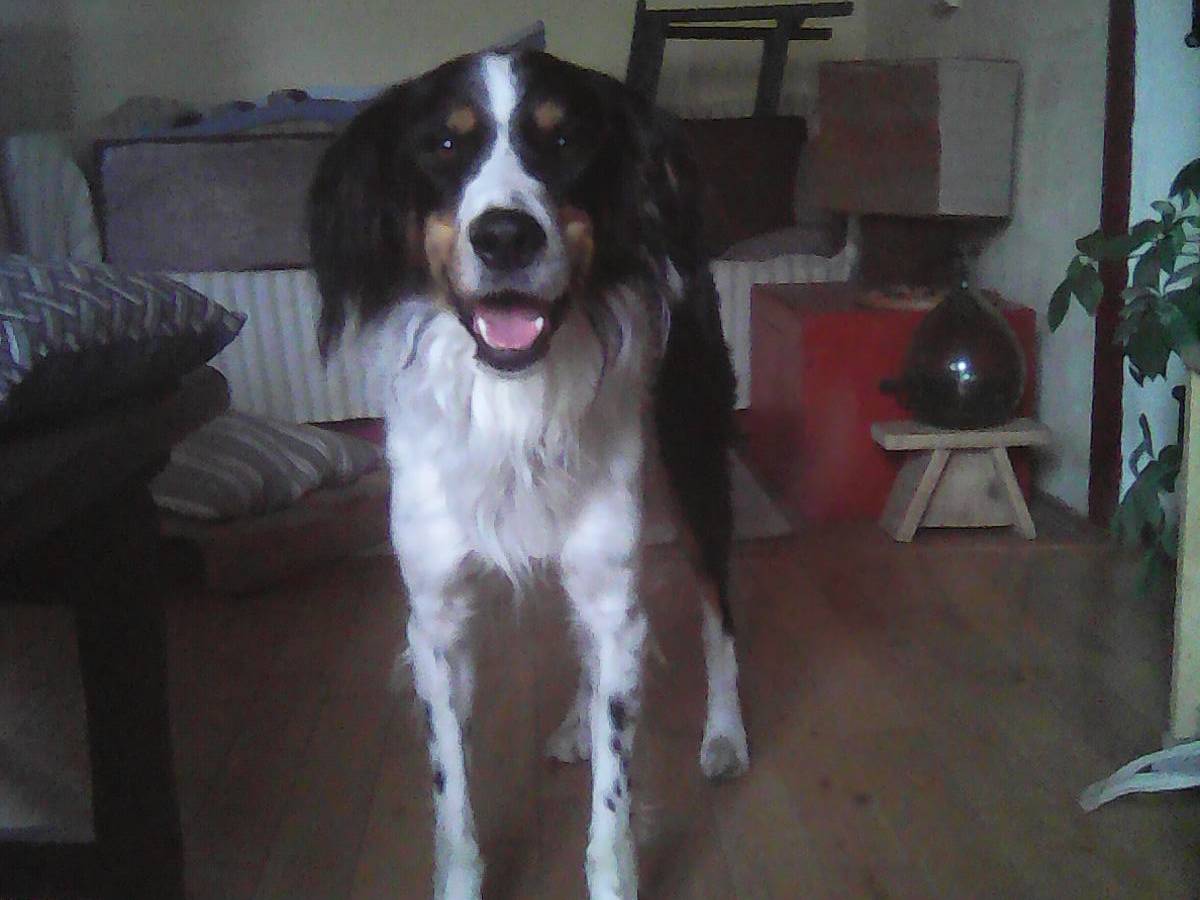
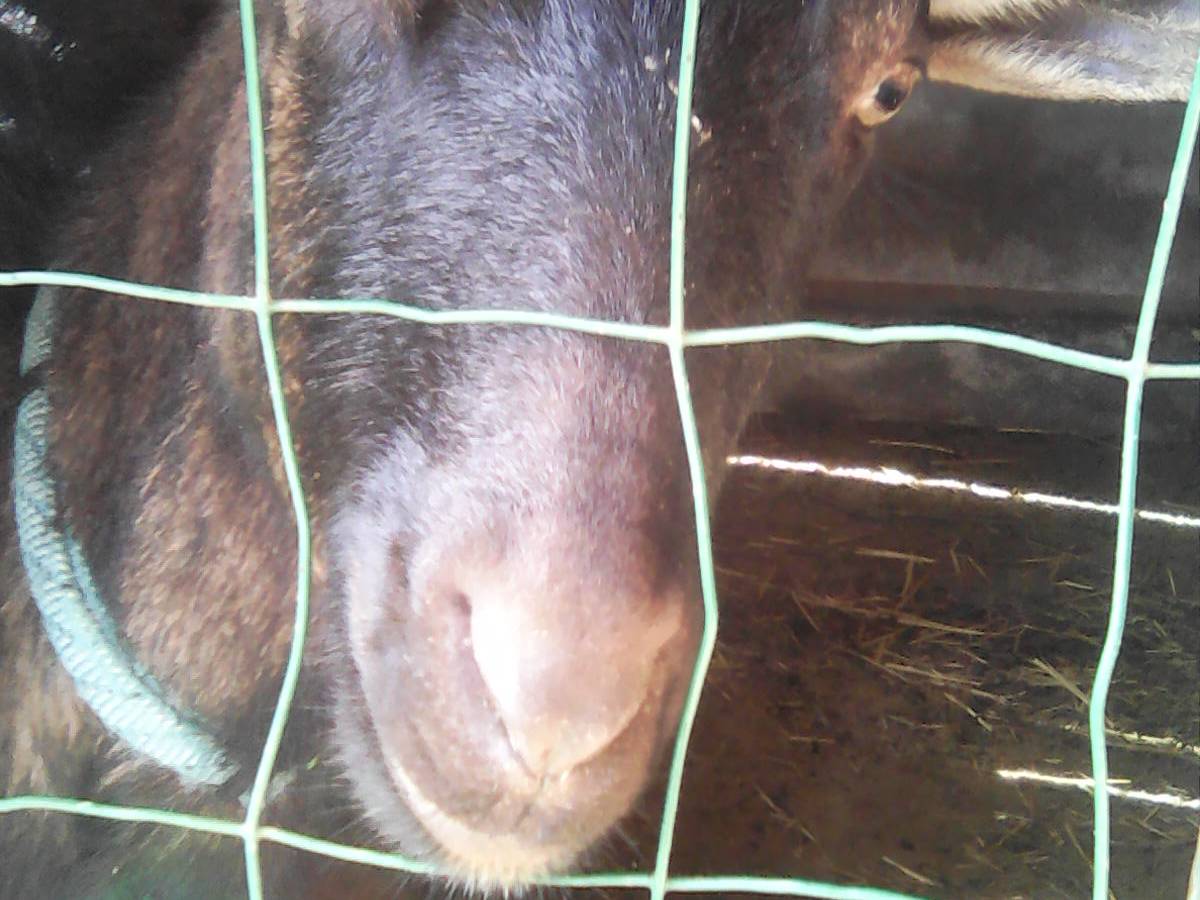
One of the special features of farm hospitality is animal care (animal mediation).
The choice of animal(s) may depend on the young person or adult (preference, apprehension), his or her problems (relationship with limits, frustration, empowerment, self-esteem, etc.).
In general, the animal's non-judgmental and unconditional acceptance means that it does not betray or reject the young person or adult for one reason or another.
It enables them to feel responsible for others (an animal in this case) by caring for them (littering, feeding, grooming etc.), making amends (giving what they didn't get, care and affection), while at the same time feeling useful and valued (having value for someone, and being capable of), recognized for what they do with and in contact with animals.
In this way, the young person, the adult, regains self-confidence, rebuilds positively, with a better self-image and self-esteem; which enables him or her to reintegrate into a project or learning dynamic (to want to, to be motivated by).
Type of welcome
- Break or soothing accommodation
- Relay/respite accommodation
- Holiday accommodation
- Individual accommodation
Duration of stay
- One day
- Short stay (< 3 weeks)
Emergency welcome
An emergency reception can be arranged if there has been prior contact and a visit from part of the referral team or the referral of the person to be received, which enables both parties to get to know each other better.
Non-mixed accommodation
Non-mixed accommodation:
Yes
minors and adults are welcomed on an individual basis, with no mixing or cohabitation of adults and minors at the same time.
Educational project
Educational and support themes
- Discovery of animals
- Discovery of vegetable production
- Territory and local life
- Paysan skills
- Environmental education
- Nature discovery activities
- Farm visit
- Cooking & Nutrition
- Artistic practices
The support offered is individualized to best meet the needs, interests and "problems" of the person being cared for, as well as their possibilities, which may evolve over time. Activities use concrete supports (activities of daily living [caring for animals, setting the table, preparing meals etc. .These activities are adapted to their intellectual and motor faculties∕capacities, in a stable and reassuring environment.
These activities based around animals, self-production, life on and around the farm aim to, among other things:
- To help people rediscover the pleasure of taking their time and doing things for themselves, with the aim of fostering their autonomy (whether minors or adults), regaining self-confidence by giving them a sense of responsibility, taking the initiative within the framework of "adapted" activities, so as not to put them in difficulty or fail, while enabling them to rebuild their lives in a positive way, with a better self-image and self-esteem; which in turn enables them to get back into the dynamics of a project or apprenticeship (wanting to, being motivated by).
The people we welcome (minors or adults for a day or a stay with accommodation) are involved in the reception project with their referent (specialized educator, social worker, parents, etc.) from the moment they make contact and visit/pre-admission (presentation of the place and how it works, the activities that can be offered) and a shared snack that allows them to discover each other, get to know each other, familiarize themselves with an unknown and foreign environment (the farm, its animals, etc.).
The activity proposed or initiated at the request of the guest can be an "educational
The activity proposed or initiated at the request of the guest can be an "educational" support, enabling the guest to "transmit" and actively acquire, through participation, a certain number of values (respect, responsibility, etc.) as well as learning (reading, acquisition of skills, etc.) in a non-school setting, by being an actor in the construction of knowledge and skills, through experimentation (active pedagogy).Or just a way for the guest to get out of his or her familiar environment, to take the time to ask questions, to take a step back from oneself, and to discover/see things differently in a different environment (activities and life on the farm).


 Donate to Accueil Paysan
 Via HelloAsso)